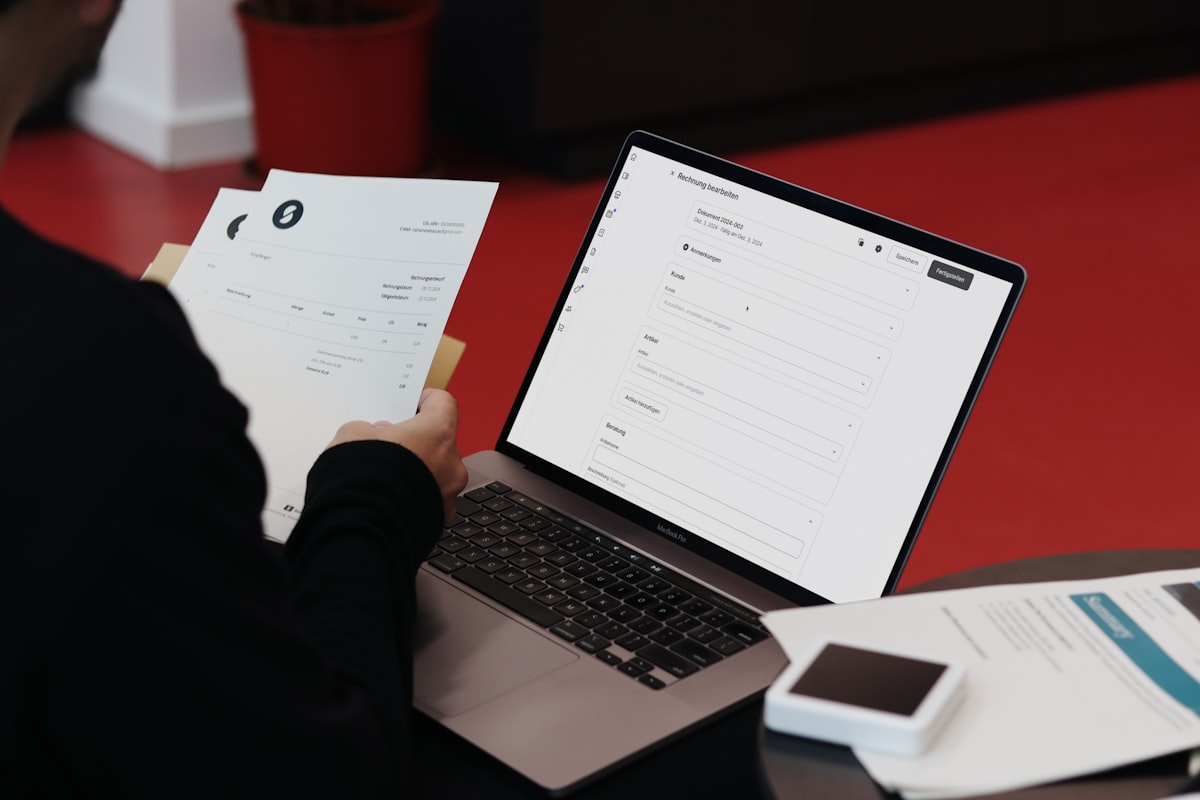
Receipt-based subscription tracking is a method of finding and monitoring recurring payments by scanning email receipts and invoices rather than connecting to a bank account or credit card. Every time a subscription charges you, it typically sends a confirmation email. Receipt-based trackers read those emails to build your subscription inventory automatically.
This approach is an alternative to bank-linked subscription tracking, which works by reading your transaction history through a financial aggregator like Plaid. Receipt-based tracking produces similar results — a list of what you pay for and when — without requiring access to your financial accounts.
What convinced us to build around receipts rather than bank feeds is simple: almost every subscription emails you when it charges, and that email carries more than a bank line ever does — the exact plan, the seat count, the renewal date. Reading receipts means you get that detail without ever handing over a bank login.
How Receipt-Based Tracking Works
The process has three steps:
- Inbox connection — The tracker connects to your email account with read-only access, or you forward relevant emails to a dedicated address.
- Receipt extraction — The tool scans incoming emails for invoice patterns: vendor names, amounts, billing dates, renewal cadences, and subscription terms.
- Inventory building — Extracted data is organized into a subscription list, grouped by vendor, sorted by renewal date, and checked for duplicates or unused tools.
Receipt-Based vs Bank-Linked Tracking
Both approaches aim to answer the same question: what am I paying for? But they differ in what data they access and what they find.
Receipt-based tracking reads billing confirmation emails only. It finds the same subscriptions (and sometimes more, since receipts capture PayPal and Apple Pay charges that do not appear on a single bank feed) without touching your financial accounts.
Receipt-based tracking is particularly useful for finding subscriptions paid through multiple payment methods — a personal card, a corporate card, and PayPal — because it aggregates receipts from all of them through the inbox rather than requiring connections to each account separately.
What Receipt-Based Tracking Can and Cannot Find
Can find:
- Any subscription that sends an invoice or billing confirmation by email
- Subscriptions paid across different payment methods (cards, PayPal, Apple Pay)
- Trial conversions — when a free trial converts to a paid plan and sends a first invoice
- Price changes — when a vendor increases your billing amount
- Annual renewals that are easy to miss between billing cycles
Cannot find:
- Subscriptions that do not send email receipts
- In-app purchases that bypass email confirmation
- Subscriptions set up using someone else's email address
Why People Choose Receipt-Based Tracking
The primary reason is privacy. Bank-linked tools require you to share credentials with a financial aggregator — granting read access to your full transaction history. Receipt-based tools access only billing emails, which contain far less sensitive information than a bank ledger.
For founders, freelancers, and small teams managing a mix of personal and business tools, receipt-based tracking also removes the friction of connecting multiple bank accounts and cards. The inbox becomes the single source of truth for billing.
How SubDupes Uses Receipt-Based Tracking
SubDupes is built around receipt-based discovery. It connects to your email inbox with read-only access and scans for invoices and billing confirmations. It then organizes your subscriptions into a renewal calendar, flags duplicates and unused tools, and alerts you 14 days before upcoming charges.
No bank account is connected at any point. No card credentials are stored. Only billing emails are processed.
Track subscriptions from your receipts — not your bank.
SubDupes scans your email invoices to find every subscription automatically. No bank login. No card access. Setup takes 60 seconds.
Get Your Free Subscription Waste Report