Guides
2026-09-115 min
SaaS price hikes: How vendors raise prices and how to catch them
SaaS vendors use sneaky tactics to raise your costs without notice. Learn how to spot hidden price hikes and protect your software budget before it's too late.
SaaS vendors use sneaky tactics to raise your costs without notice. Learn how to spot hidden price hikes and protect your software budget before it's too late.
SaaS vendors use sneaky tactics to raise your costs without notice. Learn how to spot hidden price hikes and protect your software budget before it's too late.

Even organized, financially savvy people miss subscription renewals every year. Here's why it keeps happening and how to finally stop getting caught off guard.
Your bank sees a charge from ADOBE SYSTEMS. Your inbox knows the plan, billing cycle, seat count and cancellation deadline. That gap is the whole point.

The average person juggles 12-15 active subscriptions. Why that becomes decision fatigue and a constant cognitive drain, not just a budget problem.

Most people underestimate monthly subscription spend by 40-80%. What a year of small, barely-noticed charges actually adds up to - and how to stop it.

The largest and most overlooked category of SaaS waste. Why teams lose track of paid licenses nobody uses - and how to reclaim that spend in days.

The first wave of damage from unauthorized SaaS is financial, not a breach. Finance pays for tools for months before security learns they exist.

Credentials pass through a third-party aggregator, get stored and tokenized, and grant read access far beyond what subscription tracking requires.

By the time you hire financial leadership, the damage from overlapping and forgotten subscriptions is done. Why founders have to own this early.

Confusing flows, timed friction and emotional manipulation - the dark patterns engineered into cancellation, and how to stay ahead of the renewal.

An annual budget exercise leaves waste untouched for months. Quarterly reviews catch redundant tools, unused licenses and price hikes before they compound.
Manual entry versus automatic inbox scanning. Email-receipt tracking surfaces 30-60% more forgotten subscriptions than manual logging alone.

Monitor every subscription by scanning email receipts - no bank login, no card credentials, no open banking access to your full financial history.

Sunk cost, status quo bias and deliberately friction-heavy cancellation make inaction the default. The behavioural loop that keeps dead subscriptions alive.

Countdown timers, buried opt-outs, pre-checked upgrade boxes and timed emails - how vendors engineer trials to convert without you ever noticing.

A structured review of every software subscription a company pays for. What it involves, how to run one, and whether it belongs to Finance, IT or Ops.

Not a glance at your bank statement. The structured process that finds charges across inboxes, cards and team tools - most people find 20-40% more.

Software bought outside IT approval thrives where teams have budget and freedom to move fast. How it compounds into duplicates, risk and wasted spend.

Duplicate subscriptions, auto-converted trials and oversized plans bleed money quietly. Get visibility, right-size plans, and let unused tools lapse.
Free trial conversions, dormant streaming, auto-renewed annual plans and bundled app fees - the recurring charges that survive because nobody looks.

The average household or small business leaks hundreds a year on forgotten and duplicate subscriptions. How to run a full audit in under an hour.

Unused SaaS often accounts for 30-40% of software spend. Audit the stack, cut redundant tools, and recover thousands a month without touching headcount.

Juggling clients, projects and trials that quietly convert, the average freelancer loses over $100 a month to forgotten or redundant software.

Two very different models, with real tradeoffs in privacy, accuracy and setup effort. How each works, where each falls short, and which one fits you.

Decentralized purchasing, shadow IT and fragmented payment methods make software costs nearly invisible to the people who actually own the budget.

Not because they spend more, but because they lack finance ops, central procurement and automated auditing. A 10-person team can lose thousands a year.

Shadow IT can reach 30-40% of total IT spend in mid-sized companies, yet stays invisible to finance. How it compounds, what it costs, how to claw it back.

Rises buried in fine print, billing tiers changed without notice, monthly quietly switched to annual. How to flag renewal anomalies before the charge.
One rule, set up in under two minutes, captures every receipt and renewal notice - full visibility into recurring spend without logging into your bank.
Most mid-sized companies run 3-5 redundant tools at once. How duplication happens across teams, what it costs, and a proven play to consolidate it.
The cause is rarely reckless spending. It's forgotten trials, duplicate tools, seat over-provisioning and invoices scattered across personal inboxes.
Free trials roll into paid plans with no meaningful warning. How the conversion works, the warning signs, and how to act before the charge lands.
Bank-linked trackers read every transaction you make. What they collect, who they share it with, and how to find subscriptions without a bank login.
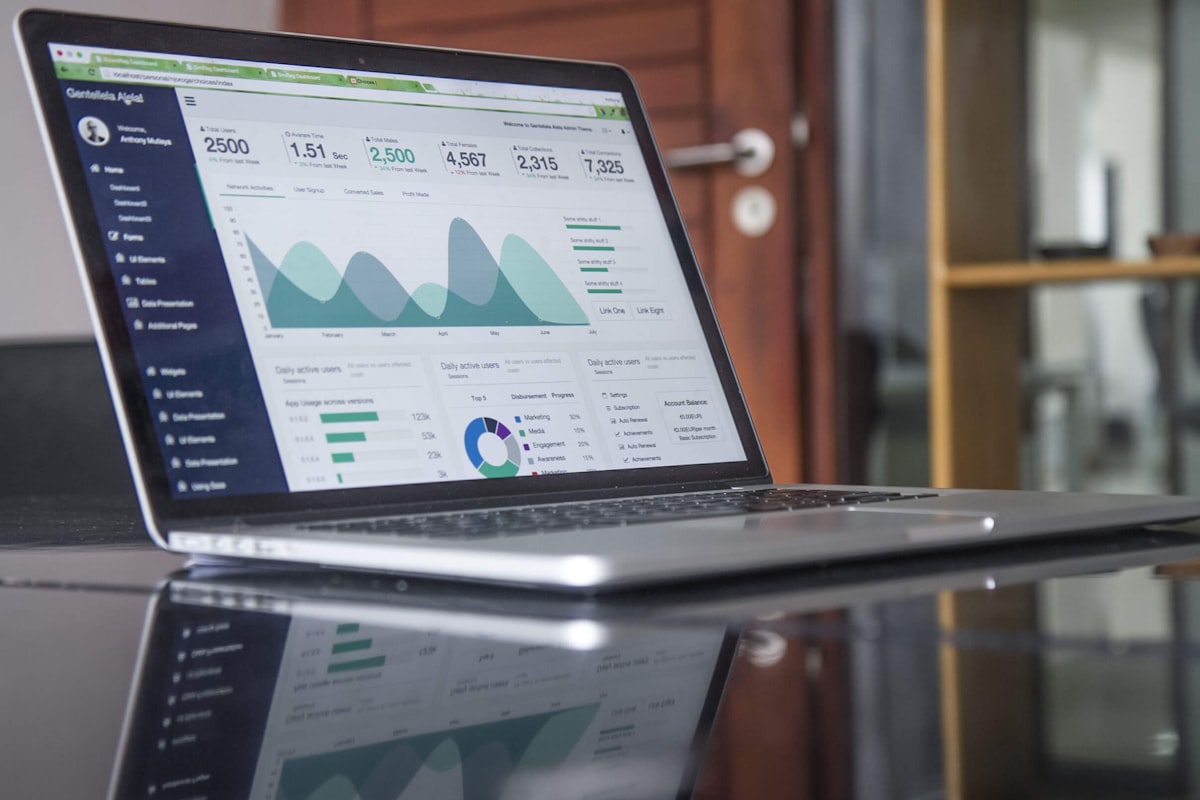
How to reduce SaaS spending by finding and eliminating subscription waste — unused tools, duplicate functionality, forgotten trials, and over-provisioned seats — without disrupting the tools your team relies on.
You can track all your subscriptions from email receipts without connecting your bank. This guide explains how receipt-based subscription tracking works and how to set it up.

A SaaS audit is a structured review of every software subscription a business is paying for — used to identify unused tools, duplicates, and unnecessary spend. Here is how to run one.

Receipt-based subscription tracking finds and monitors your subscriptions from email invoices and receipts — without connecting to a bank account or credit card. Here is how it works.

SaaS cost optimization is the ongoing practice of reducing and controlling software subscription spend without degrading team capability. It covers discovery, consolidation, right-sizing, and renewal governance.

SaaS spend visibility means knowing every tool you pay for, what it costs, when it renews, and where spend is duplicated. Here's how to get it fast.
SaaS sprawl is the uncontrolled growth of software subscriptions across a business — tools adopted independently, trials that auto-renewed, and overlapping functionality no one is managing. Here is what causes it and how to fix it.

Shadow IT spending is the cost of software tools employees adopt without IT department approval or visibility. It creates hidden subscription waste, security gaps, and budget surprises. Here is how to find and control it.

Subscription creep is the gradual accumulation of small recurring charges that individually seem minor but collectively drain hundreds or thousands from your budget each year. Here is what causes it and how to stop it.

Subscription discovery is the process of identifying every active subscription you are paying for — across email receipts, invoices, and billing records. Here is how it works and why it matters.

Compare the best subscription audit apps of 2026. Find tools that automatically detect hidden recurring charges, duplicate subscriptions, and surprise renewals — without connecting your bank account.
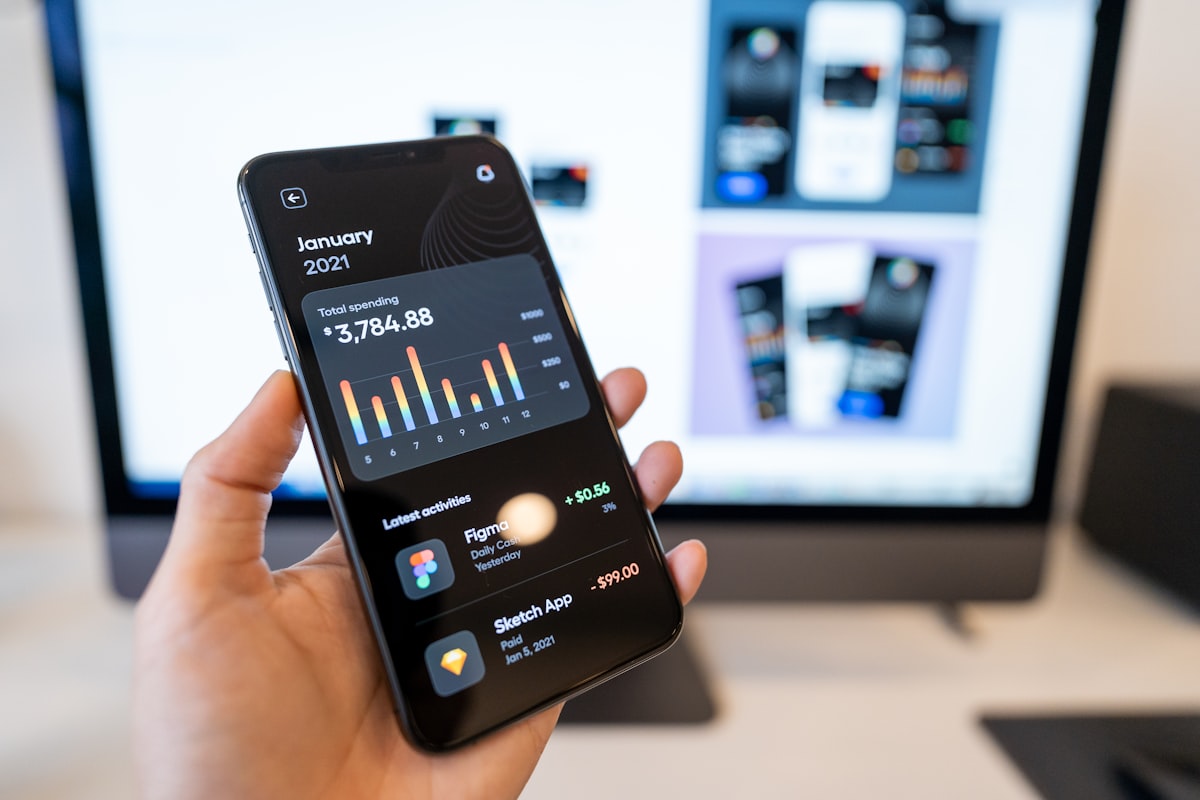
Looking for the best subscription tracker app? We compare the top free and paid options for 2026 based on privacy, automation, and whether they need your bank login.

Step-by-step instructions to cancel the most popular subscriptions in 2026 — including Adobe Creative Cloud, ChatGPT Plus, Apple One, Google One, Netflix, Spotify, and more.

Still being charged for something you signed up for months ago? Here's exactly how to find and cancel every forgotten subscription before it charges you again.
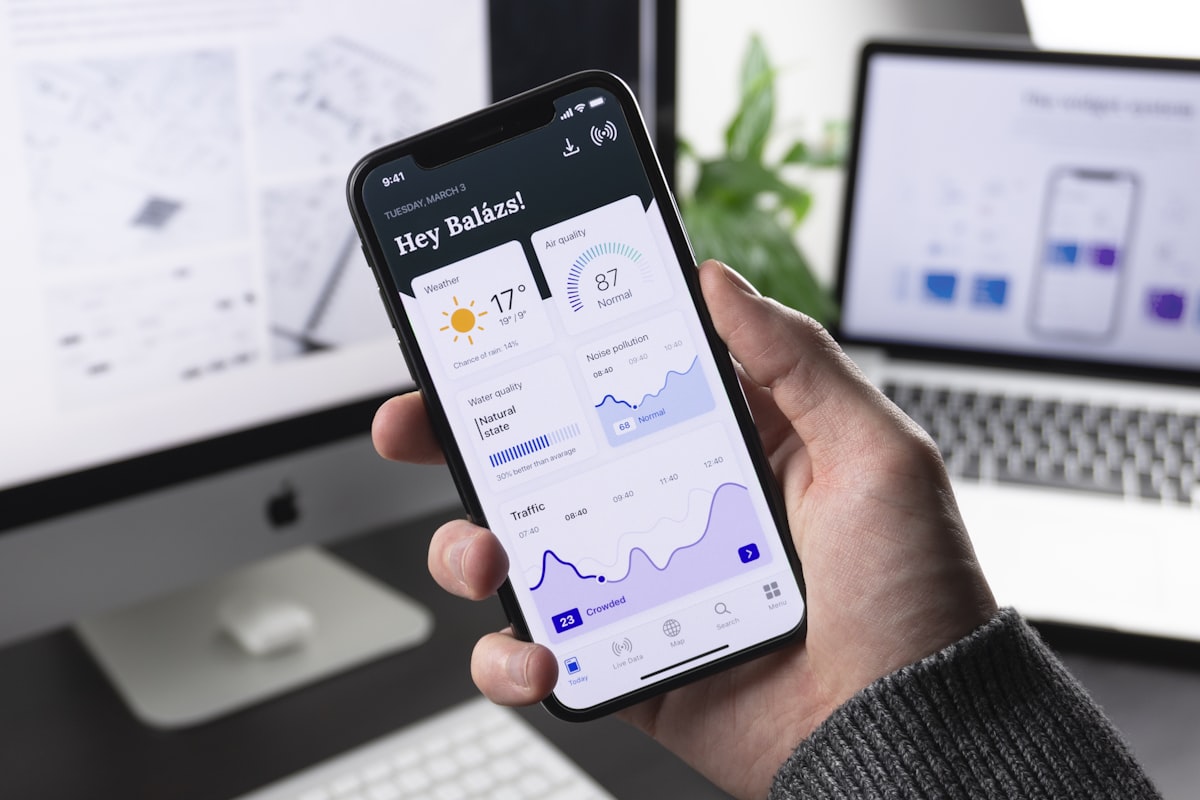
Not sure what you're paying for? Learn exactly how to find all your subscriptions across Apple, Google, PayPal, your bank, and your email — fast and privately.

Not sure what subscriptions are tied to your credit or debit card? Here's exactly how to find every recurring charge on your card — and what to do about the ones you don't recognize.

What's the difference between a recurring payment and a monthly charge? Learn how automatic payments work, why they're so hard to track, and how to take control of your billing cycle.

Annual plans promise 10–30% off, but they only save money past the break-even point — usually 9 to 10 months of real usage. Here's the exact break-even formula, the renewal traps to avoid, negotiation scripts that work, and how to decide monthly vs. annual for every tool you pay for.

Most people underestimate their subscription count by 2x. Follow this step-by-step, 30-minute subscription audit guide to find hidden recurring charges, zombie accounts, and save hundreds of dollars.

Subscription creep is the gradual accumulation of low-cost recurring charges. Learn the behavioral psychology behind it, calculate the 10-year cost of minor charges, and discover how to take back control.

Canceling a subscription shouldn't take hours. Discover the tactical 'California Hack', virtual card blocks, and how to bypass retention traps and dark patterns with ease.

Track all your subscriptions without giving access to your bank account. No Plaid. No syncing. See exactly what you're paying for in minutes.

Looking for a subscription tracker without Plaid? Learn how to track recurring payments without bank linking, reduce financial data exposure, and manage subscriptions privately.

Survey data shows people underestimate subscription spending by about 2.5x, with roughly $200 a year going to services they never use. Here's where it leaks.

Bank-linked trackers (Rocket Money, Monarch) read your entire transaction history; email-based trackers (SubDupes) see only billing receipts. Here's an accurate, balanced look at how each model works, the real privacy tradeoffs, and which is right for you.
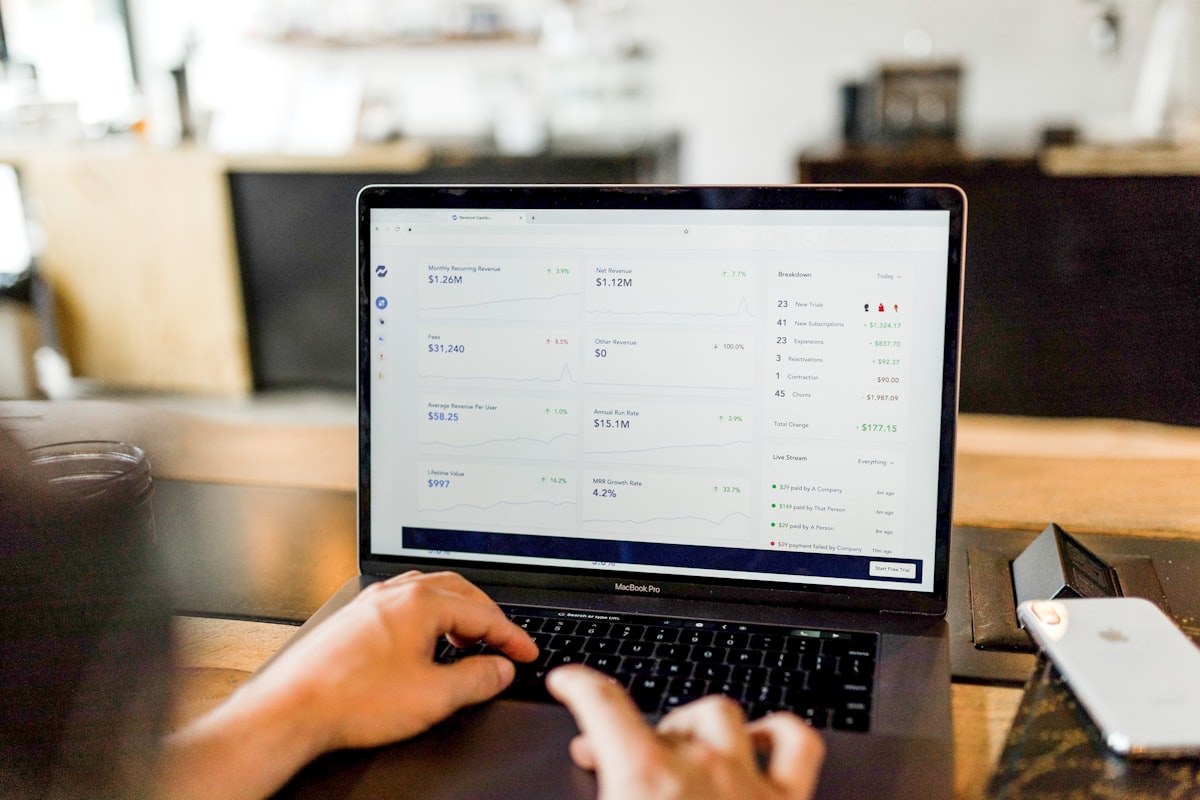
Rocket Money, Copilot, Monarch, TrackMySubs and SubDupes compared on price, automation and privacy — including which audit subscriptions without a bank login.

A comprehensive, no-compromise review of the best Plaid-free subscription trackers. Learn how to manage recurring charges without surrendering your bank credentials.

How to spot and cancel masked billing descriptors, silent trial conversions, price hikes, and generic merchant accounts quietly draining your accounts.

Find hidden subscription costs draining your budget: ghost subscriptions, duplicate seats, and silent price hikes. A step-by-step audit guide that requires no bank access.

Discover the exact framework top marketing and development agencies use to identify hidden SaaS waste, eliminate duplicate subscriptions, and optimize their software stack.
A fast, actionable, privacy-first roadmap to auditing your active subscriptions, locating hidden billing leaks, and saving hundreds of dollars in under 30 minutes.

Stop wasting hours scrolling through bank statements. Learn the fastest, privacy-first shortcut to uncover every hidden recurring charge and zombie account in minutes.
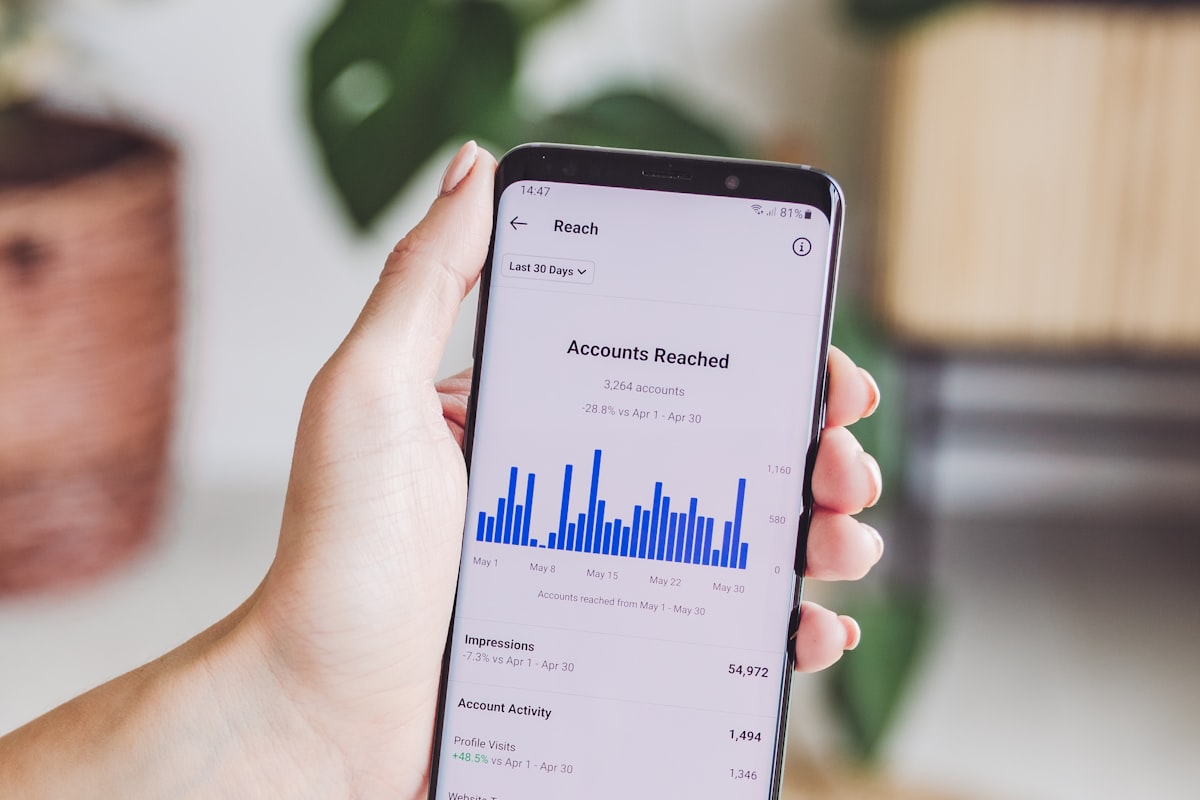
How to identify and eliminate duplicate subscriptions, redundant software seats, and overlapping SaaS tooling across personal budgets and agency team stacks.

How to block unexpected subscription charges, spot trial conversion schedules, and set proactive renewal reminders before they hit your account.

Find unused subscriptions silently draining your budget. Learn how to detect forgotten tools, cancel dark-pattern traps, and stop paying for software you no longer use.

Track every recurring charge without bank statements or account linking — a privacy-first method that finds subscriptions from receipts you already have.

Is manual tracking better than automated subscription apps? Compare the pros and cons of spreadsheets vs bank-linked tools vs privacy-first automation.

Why sharing your bank credentials with third-party aggregators is a massive liability. Expose background scraping, data profiling, and database breaches.
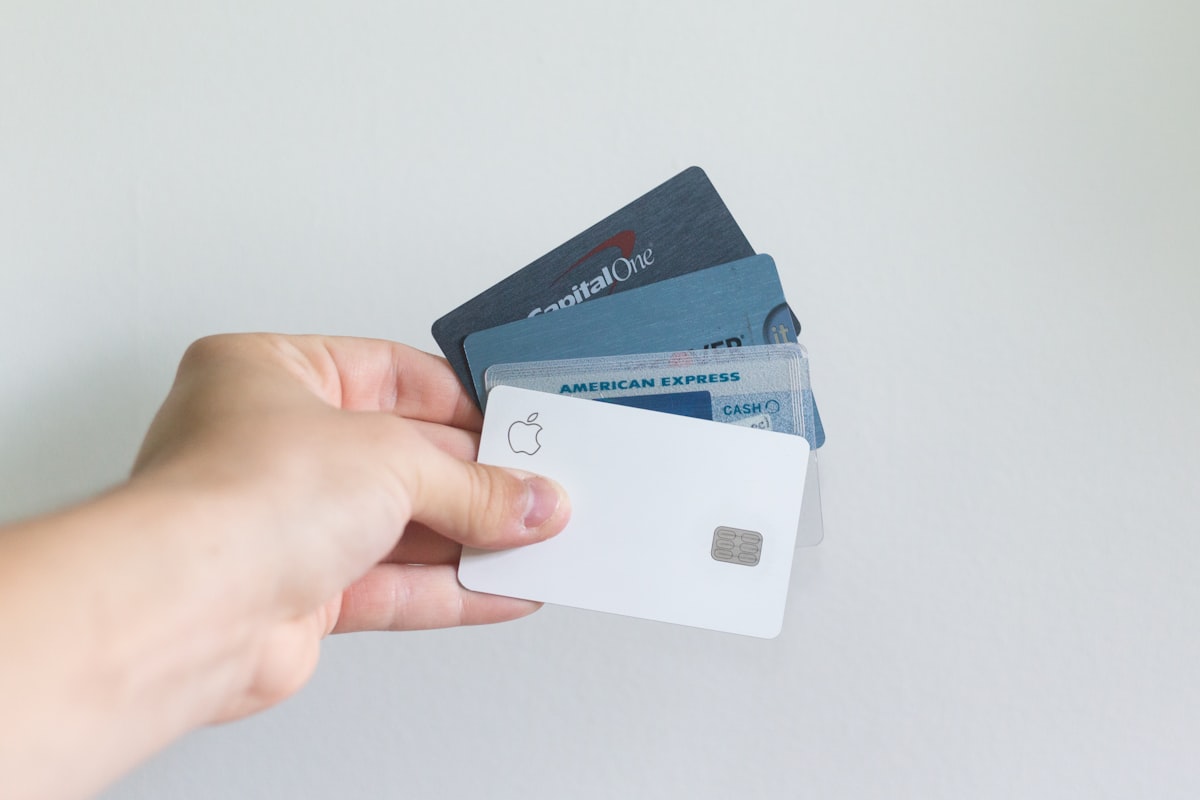
Rocket Money requires full bank access via Plaid. SubDupes finds the same subscriptions from email receipts — no bank linking. See the full comparison.
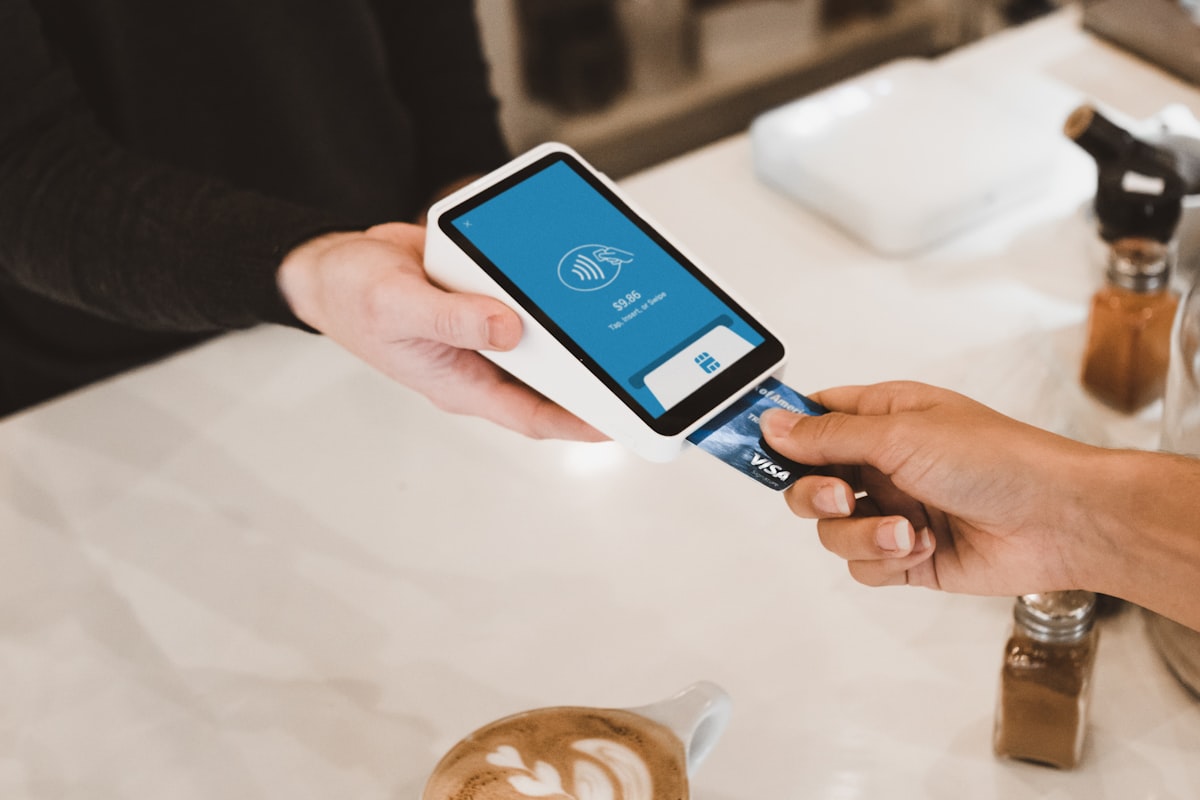
Looking for a TrackMySubs alternative? Compare manual subscription tracking vs intelligent automation. Discover why SubDupes offers smarter alerts, modern UX, and privacy-first subscription management.
Most people underestimate the mental and financial burden of managing too many recurring digital commitments. Learn the psychology of subscription fatigue and how to cure it.
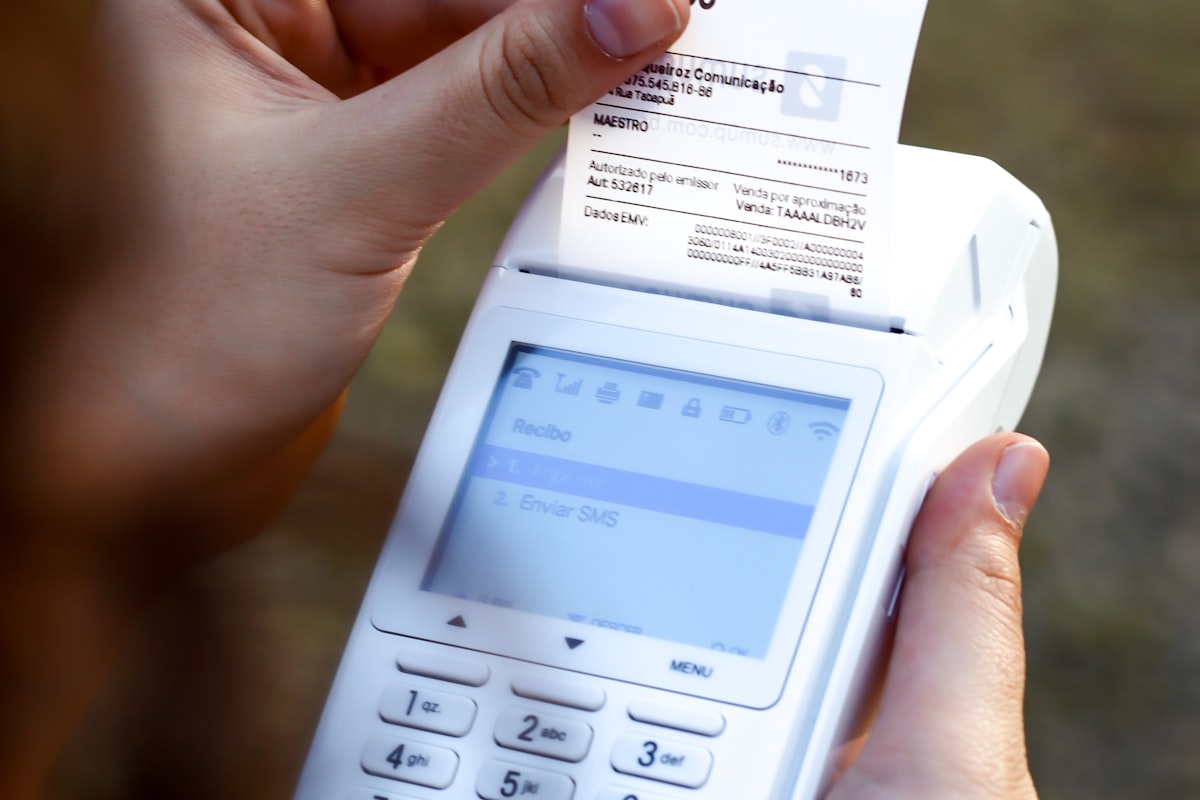
Unused subscriptions represent a massive invisible tax on your personal finances. Discover the real data behind subscription waste, why trials convert silently, and how to reclaim your money.